

DEEP TISSUE
Targeted Relief for Chronic Muscle Pain
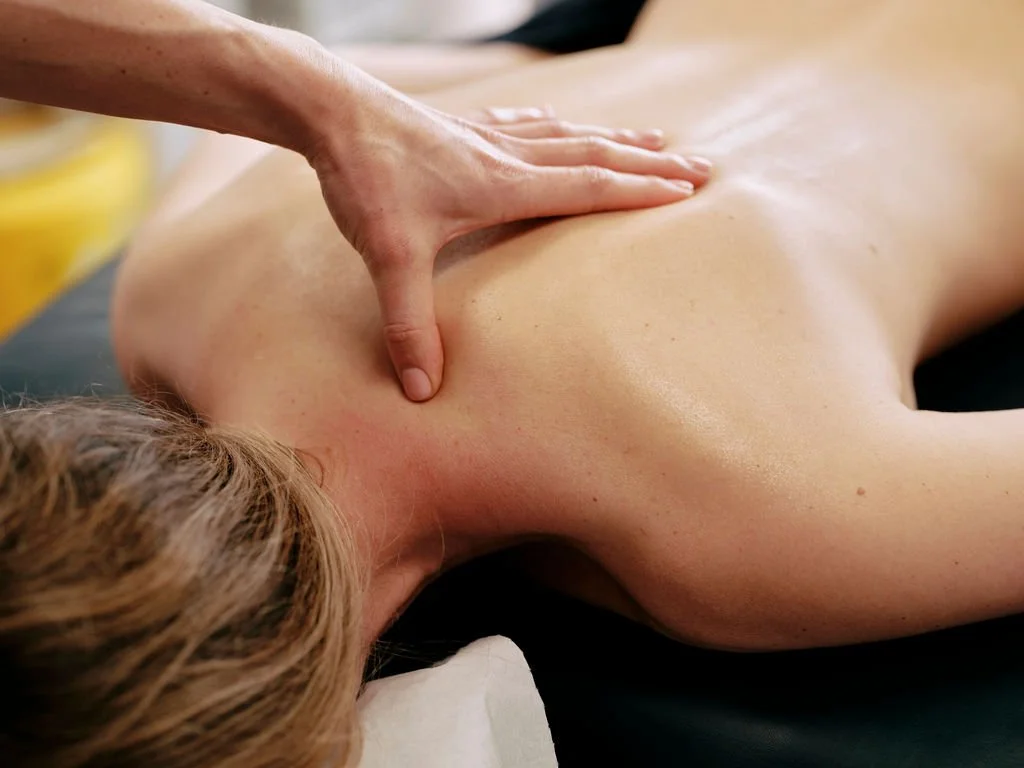
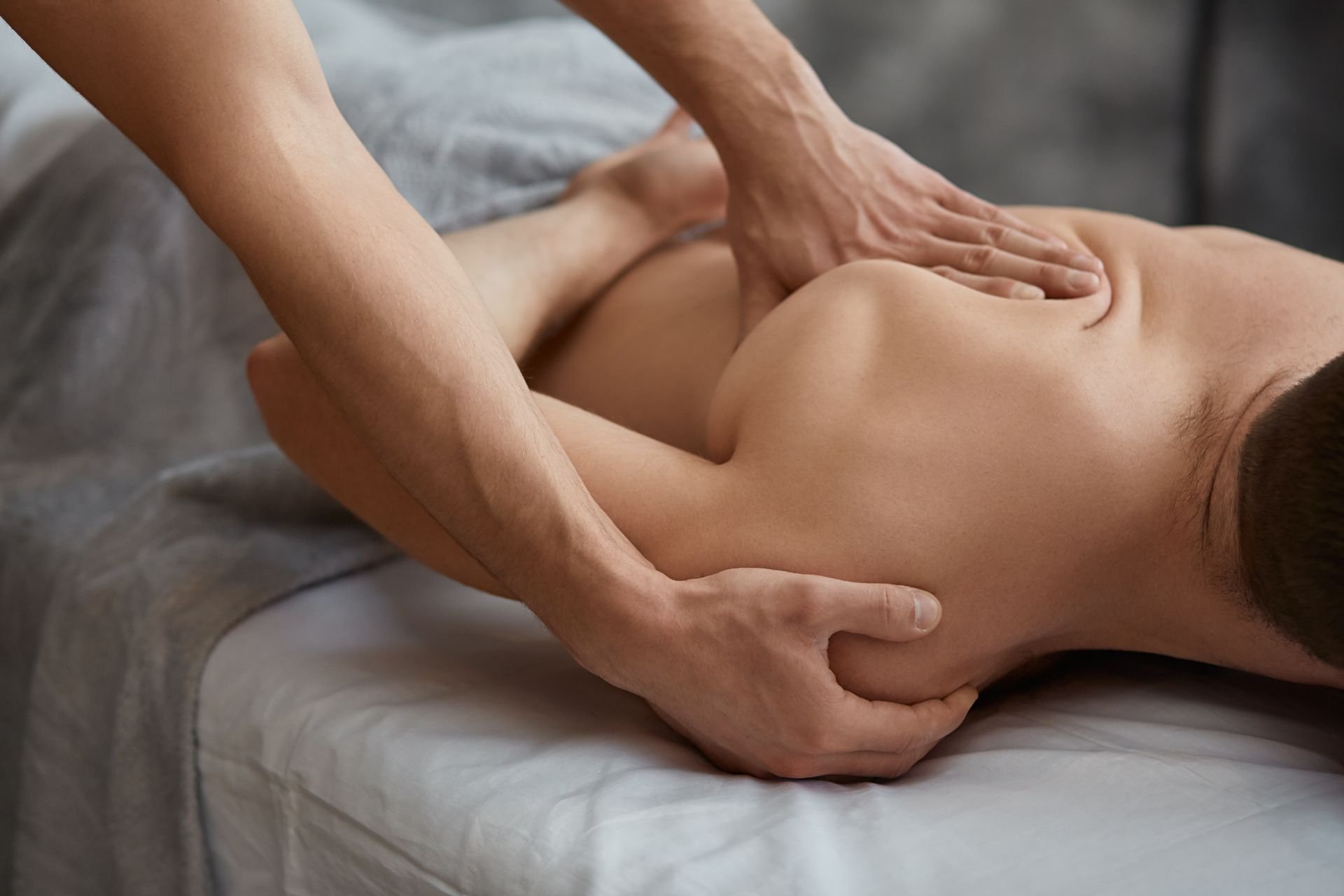
Deep tissue massage is a therapeutic technique that focuses on the deeper layers of muscle, fascia, and connective tissue. Unlike superficial relaxation massage, this method uses slow, firm pressure and deliberate strokes to reach muscles that are chronically tight, knotted, or injured. The practitioner uses their fingers, knuckles, elbows, and forearms to apply sustained pressure across the grain of the muscle, breaking down adhesions (bands of painful, rigid tissue) and realigning muscle fibers. This approach is specifically designed for people dealing with persistent pain, limited mobility, recovery from injury, or postural problems that haven't responded to lighter forms of bodywork. While deep tissue can feel intense, the goal is not to cause pain but to release tension that has become locked deep within the body. The result is lasting relief, improved function, and a profound sense of muscular freedom. Below are the specific benefits you can expect from this powerful, results-driven therapy.
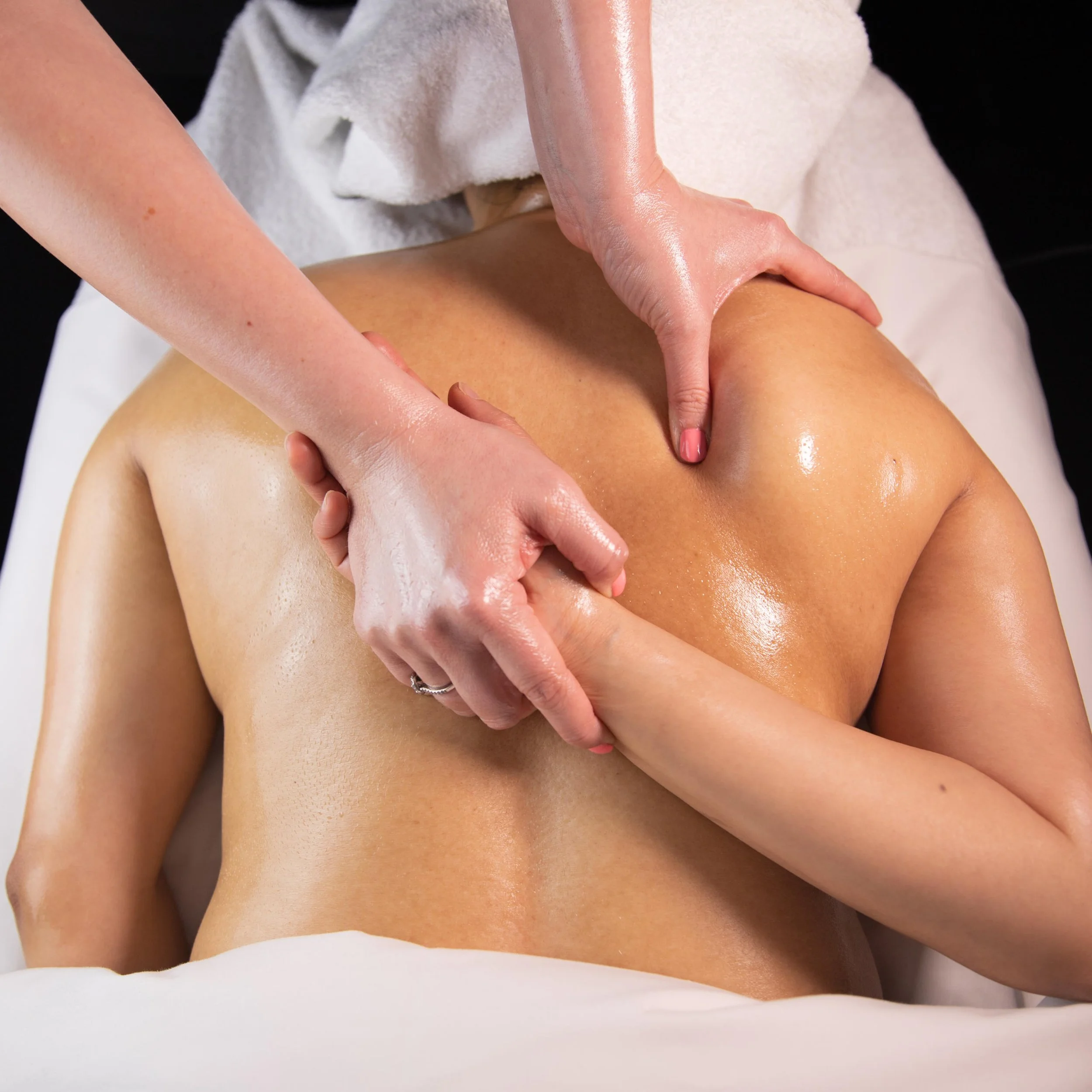
Over time, overused or injured muscles develop adhesions—sticky, dense bands of scar-like tissue that bind muscle fibers together, restricting movement and causing pain. These adhesions prevent muscles from contracting and relaxing normally, leading to compensatory patterns that strain other areas. Deep tissue massage uses slow, deep stripping strokes and cross-fiber friction to mechanically break down these adhesions. The practitioner works along the length of the muscle (stripping) and then across the grain (friction) to separate stuck fibers and restore normal tissue glide. This process can feel intense, but as the adhesion releases, you may feel a sensation of melting or spreading warmth. Over a series of sessions, chronic knots that have been present for months or even years can dissolve significantly. This is especially beneficial for people with old sports injuries, repetitive strain injuries, or post-surgical scar tissue that limits mobility.
Relieves Chronic Lower Back Pain and Sciatica
Lower back pain is one of the most common complaints treated with deep tissue massage, and for good reason. The muscles of the lower back—including the quadratus lumborum, erector spinae, and deep spinal rotators—often become chronically tight due to poor posture, sitting for long hours, or previous injuries. These tight muscles compress the lumbar spine and can irritate the sciatic nerve, causing pain that radiates down the buttock and leg (sciatica). Deep tissue massage targets these specific muscles with sustained, gliding pressure and trigger point release. By relaxing the quadratus lumborum (a deep muscle connecting the pelvis to the lower ribs), the practitioner can reduce lateral spinal compression. Releasing the piriformis muscle deep in the buttock often relieves sciatic nerve entrapment. Clients frequently report immediate reduction in lower back stiffness and a greater ability to bend, twist, and stand without pain after just one session.

Improves Posture by Releasing Tight, Shortened Muscles
Poor posture—rounded shoulders, forward head, anterior pelvic tilt—is rarely a matter of laziness; it is a physical adaptation caused by some muscles becoming chronically short and tight while others become long and weak. Deep tissue massage directly addresses the tight side of this equation. For example, rounded shoulders involve tight pectoralis major and minor muscles in the chest. The practitioner uses deep stripping strokes and compression across the collarbone and sternum to open the chest, allowing the shoulders to roll back naturally. A forward head posture involves tight suboccipital and sternocleidomastoid muscles, which are released with specific neck and skull-base work. An anterior pelvic tilt (a "swayback" posture) involves tight hip flexors (iliopsoas) and lower back muscles. Deep tissue techniques can access the psoas muscle through the abdomen or from a side-lying position. As these tight muscles release, your skeleton is no longer pulled out of alignment, and standing up straight becomes effortless rather than exhausting.
Enhances Athletic Recovery and Prevents Injury
Athletes push their muscles to the limit, creating micro-tears, metabolic waste buildup (lactic acid), and muscle fiber adhesions. Deep tissue massage is an essential tool for recovery and injury prevention. By applying firm, slow pressure to the deeper muscle layers, the massage helps flush out metabolic waste products that cause delayed onset muscle soreness (DOMS). It also increases blood flow to tired muscles, delivering oxygen and nutrients needed for repair. More importantly, deep tissue work identifies and releases "hot spots"—areas of excessive tightness that alter biomechanics and predispose athletes to injury. For example, a tight calf muscle can lead to Achilles tendinitis or plantar fasciitis; tight quadriceps can pull on the patellar tendon. Regular deep tissue sessions keep muscles long, supple, and balanced, reducing the risk of strains, tears, and overuse injuries. Many professional and amateur athletes incorporate deep tissue massage into their weekly training regimen for this reason.
Alleviates Sciatica, Piriformis Syndrome, and Hip Pain
Sciatica and piriformis syndrome are often confused, but both cause deep, aching pain in the buttock that can shoot down the leg. The piriformis is a small, deep muscle that runs from the sacrum to the outer hip bone. When it becomes tight or spasms, it can compress the sciatic nerve, which runs directly under or through it in many people. Deep tissue massage is one of the most effective treatments for this condition. The practitioner uses a thumb, knuckle, or elbow to apply deep, sustained pressure to the piriformis muscle, usually accessed through the gluteal muscles. This technique, often called "deep gluteal release," can be intense but provides rapid relief as the muscle relaxes and the nerve is decompressed. The massage also addresses surrounding muscles—the gluteus medius, tensor fasciae latae, and hamstring attachments—that contribute to hip pain and sciatic tension. Clients often feel an immediate reduction in buttock and leg pain, with improved ability to sit comfortably and walk without limping.
Releases the Psoas Muscle for Core and Spinal Health
The psoas (pronounced "so-as") is the deepest muscle of the core, connecting the lumbar spine to the femur (thigh bone). It is responsible for hip flexion and spinal stability, but it is also a primary responder to stress and fear—often called the "muscle of the soul." When the psoas is chronically tight due to prolonged sitting, emotional stress, or previous trauma, it pulls the lumbar spine forward, compresses the discs, and creates lower back pain, hip pain, and even digestive issues. Deep tissue massage includes specific techniques to release the psoas, either through a direct abdominal approach (with the client's consent and comfort) or from a side-lying position. The practitioner locates the psoas by palpating through the abdominal wall and applies gentle, sustained pressure until the muscle releases. This release is often accompanied by a deep emotional sigh, a wave of relaxation, and a noticeable lengthening of the lower back. Clients report feeling taller, breathing more easily, and experiencing less lower back stiffness after psoas work.
Reduces Plantar Fasciitis and Foot Pain
Plantar fasciitis—characterized by stabbing heel pain, especially with the first steps in the morning—is caused by inflammation or micro-tears in the thick band of tissue (plantar fascia) running along the bottom of the foot. While the pain is felt in the foot, the root cause often lies in the calf muscles. The gastrocnemius and soleus (calf muscles) attach via the Achilles tendon to the heel bone, which connects to the plantar fascia. When the calves are tight, they pull on the heel, keeping the plantar fascia under constant tension. Deep tissue massage addresses this chain from top to bottom. The practitioner uses deep stripping strokes on the calf muscles, breaking up adhesions and lengthening the muscle fibers. Specific deep work on the soleus (the deeper calf muscle) is particularly effective. Then, direct deep pressure is applied to the plantar fascia itself—using thumbs, knuckles, or a tool—to break down adhesions and stimulate blood flow to the injured tissue. Clients often experience significant pain reduction after a few sessions, along with improved ankle mobility and the ability to walk or stand without discomfort.
Breaks Down Chronic Muscle Adhesions and Scar Tissue

Reduces Tension Headaches and Neck Stiffness
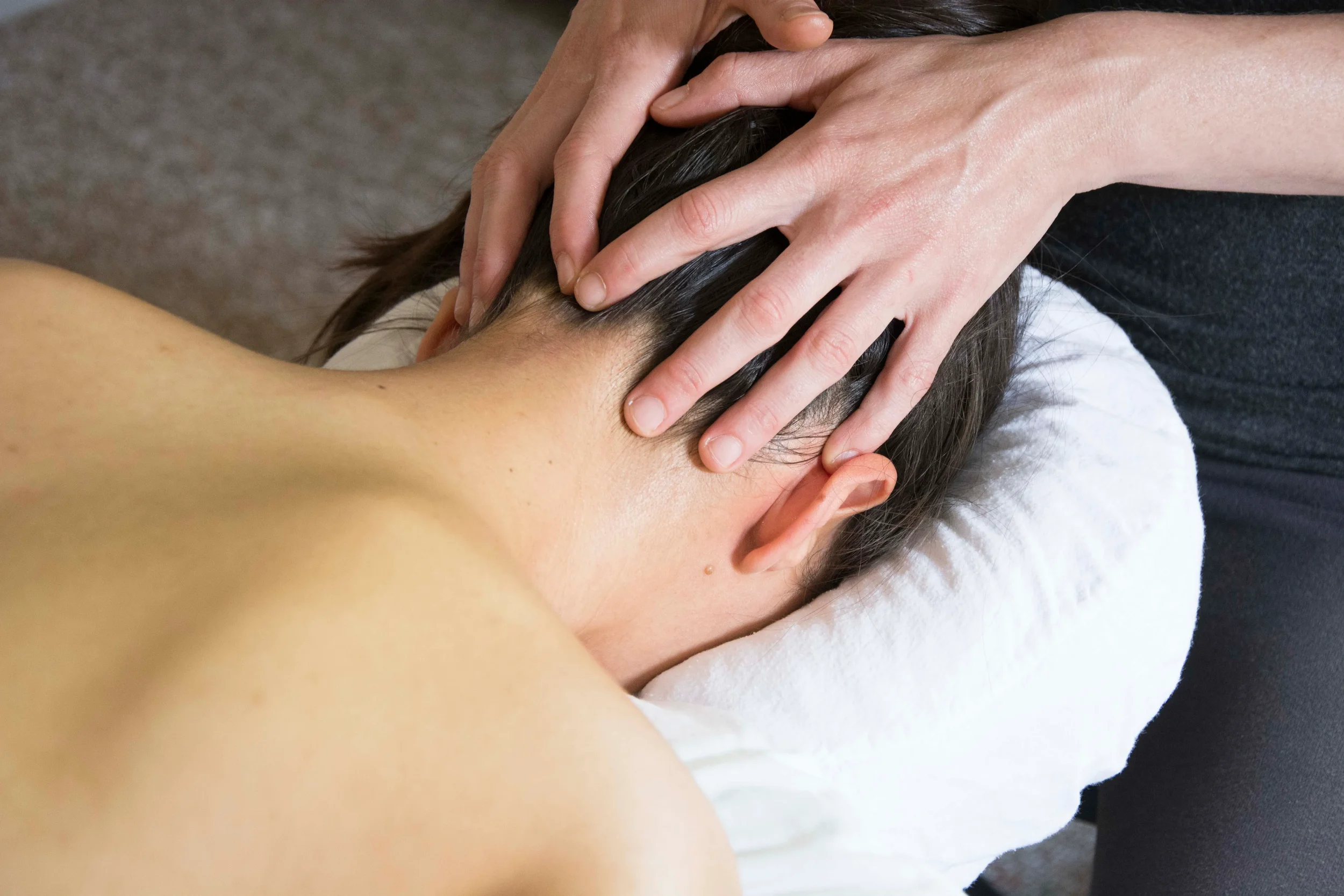
Most tension headaches originate not in the head, but in the muscles of the upper back, shoulders, and neck. Specifically, the suboccipital muscles (at the base of the skull), the trapezius, and the levator scapulae become chronically tight from forward-head posture, screen use, and stress. These muscles pull on the skull's connective tissue (the occipital ridge), creating a band of pain that wraps around the forehead. Deep tissue massage focuses on these headache-generating areas with precise, deep pressure and sustained holds. The practitioner works into the suboccipital triangle—a small but powerful group of muscles that connect the skull to the upper spine—using thumbs or knuckles to release tension that radiates into the head. Releasing the upper trapezius and levator scapulae also reduces shoulder tension that often accompanies chronic headaches. Many clients find that regular deep tissue work dramatically reduces both the frequency and intensity of tension headaches, sometimes eliminating them entirely.